
Understanding the psychological effects of gambling on decision-making processes
The Nature of Gambling and Its Appeal
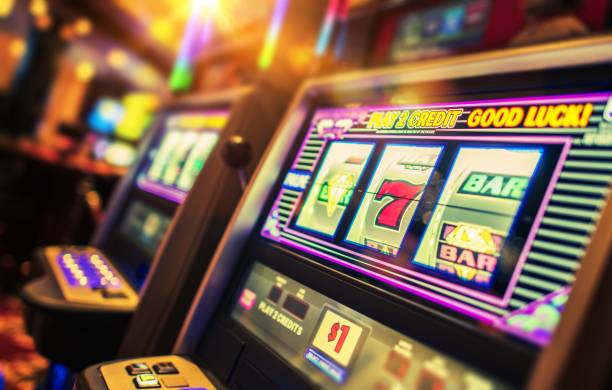
Gambling has fascinated humans for centuries, serving as a form of entertainment that taps into our innate desire for risk and reward. The thrill associated with the potential of winning large sums of money creates a unique psychological state, often described as a ‘high’ that can be addicting. This allure draws many into gambling environments such as casinos, where lights, sounds, and social interactions further enhance the experience, making it difficult for individuals to resist the temptation to play. By using the stake us welcome code, players can enhance their overall gaming experience in these lively settings.

This environment not only entices players but also influences their decision-making processes. Factors like excitement and peer pressure can cloud judgment, leading individuals to make impulsive choices. Understanding these factors is crucial for grasping how gambling impacts psychological processes, as they can significantly alter the way decisions are made in high-stakes situations.
The psychological effects of gambling are deeply intertwined with cognitive biases and emotional responses. One notable phenomenon is the ‘gamblers fallacy,’ where individuals believe that past events influence future outcomes in random games. For example, a player might think a winning streak will continue based on previous results, which can lead to irrational betting behaviors and increased financial risk.
Additionally, the sense of control plays a significant role. Many gamblers believe they can influence the outcome of games through strategies or intuition, despite the inherent randomness involved. This illusion of control can lead to overconfidence and risky decisions, often resulting in significant losses that could have been avoided with a more rational approach.
The Role of Emotion in Decision-Making
Emotions are pivotal in gambling, affecting both the experience and decision-making processes. The excitement of winning can trigger positive emotions, prompting players to continue gambling in hopes of recapturing that thrill. Conversely, losses can evoke feelings of frustration and despair, leading individuals to chase their losses—an irrational decision that often exacerbates financial problems.
Furthermore, gambling stimulates the brain’s reward system, releasing dopamine, which enhances feelings of pleasure and reinforces the gambling behavior. This can create a cycle where the need for emotional fulfillment drives individuals to gamble more, impairing their ability to make sound decisions and manage their finances effectively.
The Social Influence on Gambling Behavior
Social dynamics can also significantly impact decision-making in gambling contexts. Peer pressure and social acceptance play crucial roles, especially in group gambling situations. Individuals may feel compelled to continue playing or increase their stakes to maintain social bonds or to impress others, even when they know it’s not in their best interest.
Additionally, social interactions can normalize gambling behaviors, making excessive play seem acceptable. This normalization can lead to a culture of gambling where individuals justify risky decisions based on shared experiences, further reinforcing harmful decision-making processes. Acknowledging these social influences is vital for understanding how they contribute to gambling-related issues and the psychological effects that follow.
About This Website
This website aims to provide comprehensive insights into the psychological effects of gambling and how they influence decision-making processes. By exploring various aspects of gambling, including emotional triggers and social influences, we strive to offer valuable information for individuals seeking to understand their behaviors better.
Through research-backed articles and expert opinions, our goal is to foster awareness about the risks of gambling while promoting responsible gaming practices. We believe that informed decisions can lead to healthier gambling habits and ultimately improve individuals’ well-being in their leisure activities.
“`