
Exploring the psychological triggers that drive gambling behavior
The Allure of Chance and Uncertainty
The inherent unpredictability of gambling environments creates a compelling draw for many individuals. This uncertainty taps into a fundamental psychological principle known as the “variable ratio reinforcement schedule,” where rewards are delivered unpredictably. This sporadic reinforcement can lead to stronger emotional responses, making players more likely to return to gambling in hopes of experiencing that next big win. Many enthusiasts are always in search of the best online poker experiences, keen to test their luck and skills.
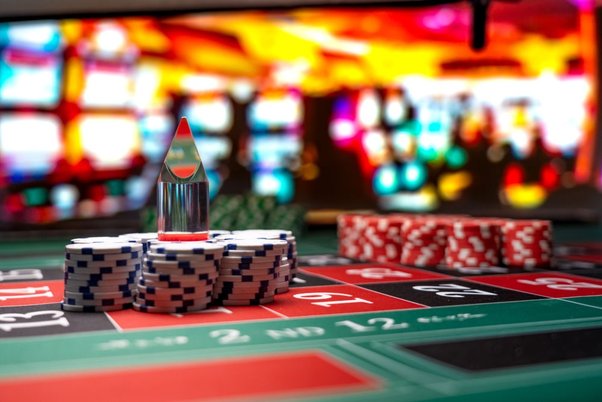
Additionally, this element of chance caters to the human desire for adventure and thrill. The excitement of potentially winning can overshadow the rational considerations of the risks involved, leading to impulsive decisions and increased gambling behavior.
The Role of Cognitive Biases
Cognitive biases play a significant role in shaping gambling behavior. One such bias is the “illusion of control,” where individuals believe they can influence the outcome of a game through skill or strategy, despite the inherent randomness of most gambling activities. This belief can encourage more frequent participation, as gamblers feel empowered by their perceived ability to win.
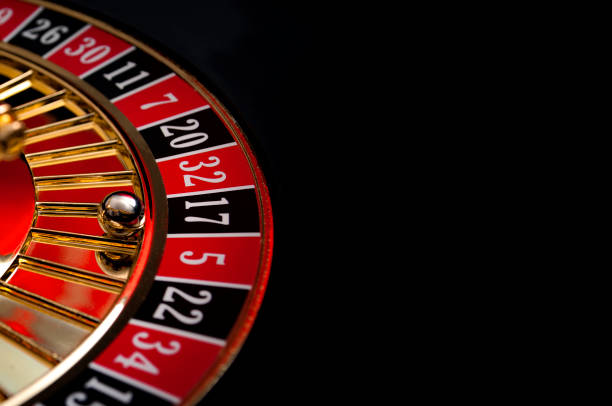
Furthermore, the “gamblers’ fallacy”—the notion that past outcomes influence future results—can lead players to chase losses. This is particularly evident in games like roulette, where players might believe that a number is “due” to come up after a series of non-hits. Such biases can create a self-reinforcing cycle, perpetuating gambling behavior even in the face of significant losses.
The Impact of Social Influences
Social dynamics significantly influence gambling behavior, as many individuals are drawn to gambling due to peer pressure or the desire for social acceptance. In environments like casinos, the atmosphere is often lively and communal, promoting a sense of belonging among participants. This social aspect can enhance the thrill of gambling, making it a shared experience that may encourage further involvement.
Additionally, the portrayal of gambling in media and popular culture can normalize and glamorize risky behaviors. When individuals see their peers or celebrities engaging in gambling, they may feel more inclined to participate, viewing it as an acceptable or even desirable activity. This social reinforcement can contribute to the normalization of gambling within certain communities.
The Psychological Effects of Winning and Losing
The emotional highs of winning and the lows of losing are powerful psychological triggers that can influence gambling behavior. Winning can produce a significant dopamine release, creating feelings of happiness and euphoria. This biochemical response can lead to a strong desire to replicate that experience, encouraging gamblers to engage more frequently in hopes of winning again.
Conversely, the negative emotions associated with losing can also affect behavior. Some individuals may cope with losses by increasing their gambling activity in an attempt to “win back” what they have lost. This cycle of chasing losses can exacerbate gambling problems, as individuals become trapped in a cycle of escalating bets and emotional distress.
Conclusion and Website Overview
This exploration of the psychological triggers that drive gambling behavior reveals a complex interplay of cognitive biases, social influences, and emotional responses. Understanding these factors can shed light on why many individuals find themselves drawn to gambling despite its inherent risks.
For those looking to delve deeper into the world of sports and gambling, the website provides a wealth of information, including live updates and expert analysis. It serves as a valuable resource for enthusiasts seeking to enhance their understanding of gambling and its psychological underpinnings.